
Introduction
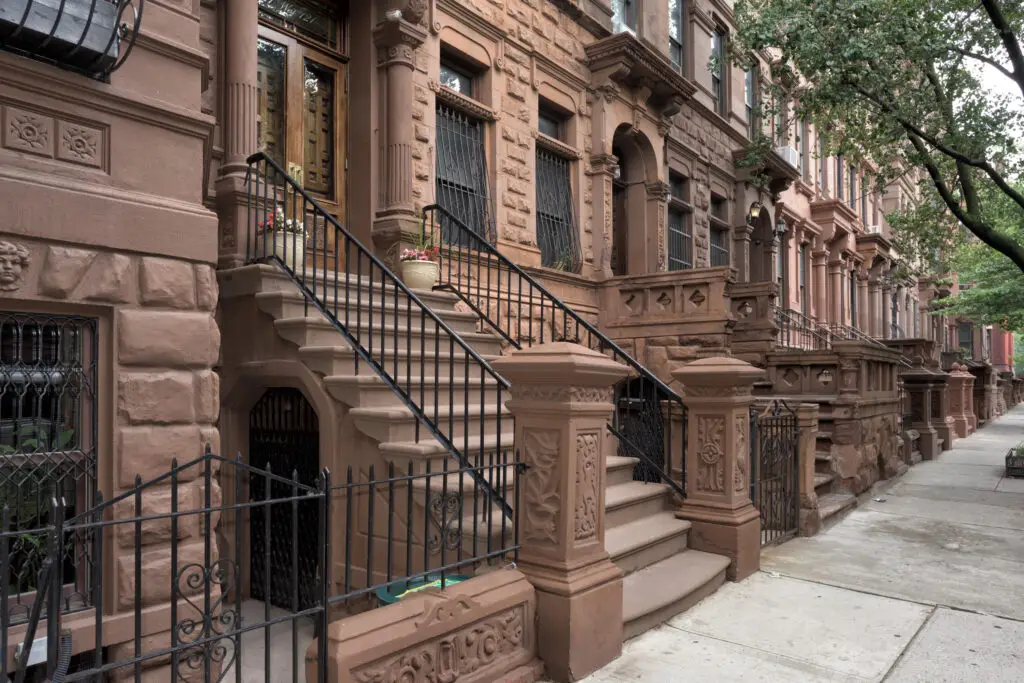
Brooklyn brownstones are among the most iconic residential properties in New York City, known for their historic charm, architectural detail, and cultural significance. However, beneath their timeless appeal lies a complex infrastructure that often presents unique challenges—particularly when it comes to drinking water quality. While New York City provides high-quality municipal water sourced from protected reservoirs, the journey from the city’s distribution system to the tap inside a brownstone can significantly alter water quality.
For property owners, landlords, and residents, understanding why water quality issues occur in brownstones is essential. Unlike newer buildings with modern plumbing systems, many brownstones still rely on aging infrastructure, legacy materials, and partial renovations that create inconsistencies throughout the plumbing network. These factors can contribute to contamination, discoloration, taste and odor issues, and concerns about potability.
Professional water testing and laboratory analysis are the only reliable ways to identify and address these problems. This article explores the key reasons why Brooklyn brownstones often experience water quality issues, the role of plumbing materials and building design, and how certified testing services provide clarity and solutions.
1. The Age of Brooklyn Brownstones and Legacy Plumbing Systems
Most Brooklyn brownstones were constructed between the late 1800s and early 1900s, long before modern plumbing standards were established. At the time, materials such as lead, galvanized steel, and cast iron were commonly used in water service lines and internal piping systems. While these materials were considered standard during their era, they are now known to affect water quality over time.
Lead service lines and lead-based solder are particularly concerning. As water flows through these materials, small amounts of lead can dissolve into the water supply, especially when pipes begin to degrade. Because lead is not visible and has no taste or smell in water, contamination can go unnoticed without professional laboratory testing. This makes older brownstones especially vulnerable to hidden water quality risks.
In addition to lead, galvanized steel pipes can corrode internally, leading to rust buildup and restricted water flow. Over time, this corrosion can release iron and other metals into the water, causing discoloration and sediment issues. Cast iron pipes may also deteriorate, contributing to debris and affecting overall water clarity.
Even in brownstones that have undergone renovations, it is common for sections of original plumbing to remain in place. This creates a mixed-material system where new and old pipes interact, often leading to inconsistent water quality throughout the property. Understanding the age and composition of plumbing infrastructure is the first step in identifying potential water quality issues in Brooklyn brownstones.
2. Lead Plumbing Materials and Their Ongoing Impact
Lead remains one of the most significant concerns in older Brooklyn properties. Many brownstones still have lead service lines connecting the building to the municipal water supply, as well as internal plumbing components that contain lead solder or fixtures. Even if only a portion of the plumbing system includes lead materials, it can still affect the quality of water delivered to residents.
The presence of lead in water is influenced by several factors, including water chemistry, pipe condition, and how long water remains in contact with plumbing materials. When water sits stagnant in pipes—such as overnight or during periods of low usage—it has more time to absorb contaminants. This means that first-draw water samples may contain higher concentrations of lead compared to water that has been flushed through the system.
Brownstones with partial plumbing upgrades are particularly at risk because new materials can alter the chemical balance within the system, sometimes accelerating corrosion in older components. This can increase the likelihood of lead leaching into the water supply. Without certified water testing and laboratory analysis, it is difficult to determine whether these conditions exist within a specific property.
Professional water testing companies use structured sampling methods to evaluate lead levels at different points within the building. Laboratory analysis provides precise measurements that help property owners understand whether lead is present and whether further action is required. For Brooklyn brownstones, addressing lead risks is a critical part of maintaining safe drinking water.
3. Corrosion and the Release of Heavy Metals
Corrosion is one of the most common causes of water quality problems in brownstones. As plumbing materials age, they react with water over time, leading to the gradual breakdown of pipe surfaces. This process can release heavy metals such as iron, copper, and zinc into the water supply, affecting both safety and aesthetics.
In Brooklyn brownstones, corrosion is often influenced by the combination of old and new plumbing materials. When different metals are connected within the same system, electrochemical reactions can occur, accelerating the corrosion process. This is especially common in properties that have undergone partial renovations, where sections of original piping are connected to newer components.
The effects of corrosion may appear as brown or reddish water, metallic taste, or staining on fixtures and laundry. However, not all corrosion-related issues are visible. In many cases, heavy metals can be present in water without any noticeable signs, making laboratory testing essential for accurate detection.
Corrosion can also weaken the structural integrity of pipes, increasing the risk of leaks and plumbing failures. For property owners, this represents both a water quality concern and a maintenance issue that can lead to costly repairs if not addressed proactively.
Certified laboratory testing provides detailed analysis of heavy metals and corrosion indicators, helping to identify the source of the problem. Professional consultants can then recommend appropriate solutions, whether that involves pipe replacement, water treatment systems, or adjustments to building maintenance practices.
4. Stagnation and Water Usage Patterns in Brownstones
Water usage patterns play a significant role in determining water quality within brownstones. Unlike large apartment buildings with constant water flow, brownstones may have periods of low usage, particularly in properties with fewer occupants or multiple units with varying demand. This can lead to stagnation, where water remains in the pipes for extended periods.
Stagnant water creates conditions that can increase the concentration of contaminants. Metals from plumbing materials have more time to leach into the water, and bacteria can begin to develop within the system. This is especially relevant in older properties where plumbing design may include dead-end lines or sections of pipe that are rarely used.
Seasonal occupancy, renovations, or vacant units can further contribute to stagnation issues. When water is not regularly flushed through the system, the quality of water at the tap can deteriorate, leading to taste, odor, or discoloration concerns.
Professional water testing helps evaluate the impact of stagnation by comparing samples collected at different times and locations within the building. Laboratory analysis can identify changes in water quality related to usage patterns, providing valuable insight for property owners and residents.
Implementing simple practices such as flushing taps after periods of inactivity can help reduce some risks, but comprehensive testing is necessary to fully understand the extent of the issue. In Brooklyn brownstones, where plumbing systems are often complex and aging, stagnation is a key factor in water quality problems.
5. Bacteria Growth and Microbiological Concerns
While heavy metals and corrosion are common concerns, microbiological water quality is equally important in brownstones. Bacteria can develop within plumbing systems under certain conditions, particularly when water stagnates or when biofilm forms inside pipes.
Biofilm is a thin layer of microorganisms that can accumulate on pipe surfaces over time. Once established, it can provide an environment for bacteria to grow and persist. In older plumbing systems, where surfaces may be rough or corroded, biofilm formation can be more pronounced.
Bacteria such as heterotrophic plate count (HPC), total coliform, and E. coli are commonly tested to assess microbiological water quality. While not all bacteria are harmful, their presence can indicate underlying issues with plumbing conditions or system hygiene.
Certified laboratory testing is required to accurately detect bacteria in water. Professional sampling procedures ensure that results are reliable and not influenced by external contamination during collection. For Brooklyn brownstones, microbiological testing is particularly important when residents report unusual taste, odor, or concerns about water safety.
Addressing bacterial contamination may involve flushing systems, disinfecting plumbing components, or improving maintenance practices. In some cases, additional investigation may be needed to identify the source of contamination within the building.
6. Renovations and Mixed Plumbing Systems
Many Brooklyn brownstones have undergone renovations over the years, ranging from minor updates to complete structural overhauls. While these improvements can enhance functionality and aesthetics, they can also introduce new water quality challenges.
Partial renovations often result in mixed plumbing systems, where new materials are connected to older pipes. This can create imbalances in how water interacts with the system, potentially increasing corrosion or altering water chemistry. For example, replacing a section of pipe without upgrading the entire system may expose remaining older materials to new conditions, affecting their stability.
Renovation work can also disturb existing sediment and buildup within pipes, leading to temporary discoloration or changes in water quality. Without proper testing, it can be difficult to determine whether these changes are temporary or indicative of a larger issue.
Professional water testing before and after renovations provides valuable baseline data and helps identify any changes that may affect potability. Laboratory analysis ensures that upgrades have not introduced new risks and that water quality remains within acceptable standards.
7. The Importance of Professional Water Testing and Laboratory Analysis
Given the complexity of plumbing systems in Brooklyn brownstones, professional water testing is essential for understanding and managing water quality. Visual inspection alone is not sufficient to detect contaminants such as lead, heavy metals, or bacteria. Certified laboratory analysis provides accurate, data-driven insights that allow property owners to make informed decisions.
Water testing companies use structured sampling methods to collect representative samples from different points within a building. These samples are then analyzed by certified laboratories using approved testing methods. Detailed reports outline contaminant levels, potential sources, and recommendations for further action if needed.
For homeowners, landlords, and property managers, laboratory testing offers peace of mind and supports proactive maintenance. It also helps address tenant concerns, comply with regulatory requirements, and plan for future infrastructure improvements.
Conclusion
Brooklyn brownstones are unique properties with equally unique water quality challenges. From aging plumbing materials and lead service lines to corrosion, stagnation, and microbiological concerns, multiple factors can influence the safety and quality of drinking water. Understanding these risks is the first step toward addressing them effectively.
Professional water testing and certified laboratory analysis provide the clarity needed to identify problems and implement solutions. For anyone living in or managing a Brooklyn brownstone, investing in water testing is not just a precaution—it is an essential part of maintaining a safe and healthy living environment.