While much of the public discourse surrounding Staten Island’s water quality focuses on lead pipes and chemical runoff, there is a biological component that often gets sidelined: bacteria. In many residential monitoring programs, bacterial testing is treated as a secondary concern or a “one-time” check during a home sale. However, as infrastructure ages and extreme weather events become more frequent, microbial safety deserves a much higher level of respect in the modern homeowner’s maintenance routine.
Bacterial contamination isn’t just a concern for those with private wells. Even in the most developed parts of the borough, the “final mile” of delivery the pipes, storage tanks, and fixtures within the home can harbor pathogens that standard municipal chlorination may not fully address. This is why specialized testing services are evolving to treat microbiology as a cornerstone of residential safety.
The Hidden Risks of Domestic Stagnation
The primary reason bacteria deserves more attention is the nature of modern plumbing. Unlike the city’s high-pressure mains, where water is constantly moving, residential plumbing often has “dead legs” sections of pipe or fixtures that are rarely used.
When water sits dormant in a guest bathroom or a basement utility sink, the residual chlorine used by the city to kill pathogens eventually dissipates. This creates an environment where biofilm can flourish. Biofilm is a sticky layer of microorganisms that clings to the inside of pipes, protecting bacteria from further disinfection. Once established, these colonies can release pathogens into the water stream intermittently, leading to “unexplained” water problems or recurring household illnesses.
Beyond E. Coli: The Real Microbial Threats
When people think of bacterial testing, they often think only of E. coli or Total Coliform. While these are important indicators of fecal contamination, they are not the only threats in an urban residential environment.
- Legionella: This bacterium can thrive in complex plumbing systems, water heaters, and showerheads. According to the Centers for Disease Control and Prevention (CDC), people can contract Legionnaires’ disease by inhaling small droplets of water containing the bacteria.
- Pseudomonas: Frequently found in biofilms, these can cause skin rashes or ear infections, particularly in households with children or immunocompromised members.
- Heterotrophic Plate Count (HPC): While not a specific pathogen indicator, a high HPC count signals that the water’s environment is ripe for bacterial growth, serving as an early warning system for homeowners.
For residents in various Brooklyn property types and Staten Island homes, understanding that “bacteria” is a broad category is the first step in demanding better analysis.
Why 2026 Demands More Rigorous Monitoring
The geography and climate of Staten Island play a significant role in microbial risk. As we have seen throughout early 2026, increased rainfall and localized flooding can put immense pressure on aging sewer and water infrastructure.
When a water main breaks or pressure drops due to local construction, the risk of “back-siphonage” increases. This is a process where contaminated water from outside the pipe is sucked into the clean water supply. While the city issues “boil water advisories” for major events, smaller pressure fluctuations often go unnoticed. Residents who regularly check their locations for nearby utility work are becoming more aware that these events are prime times for a bacterial check-up.
The Limitation of the “Smell Test”
A dangerous myth persists that you can tell if water is bacterially contaminated by its smell or clarity. While some bacteria (like sulfur-reducing bacteria) produce a “rotten egg” odor, many of the most harmful pathogens are completely undetectable to the human senses.
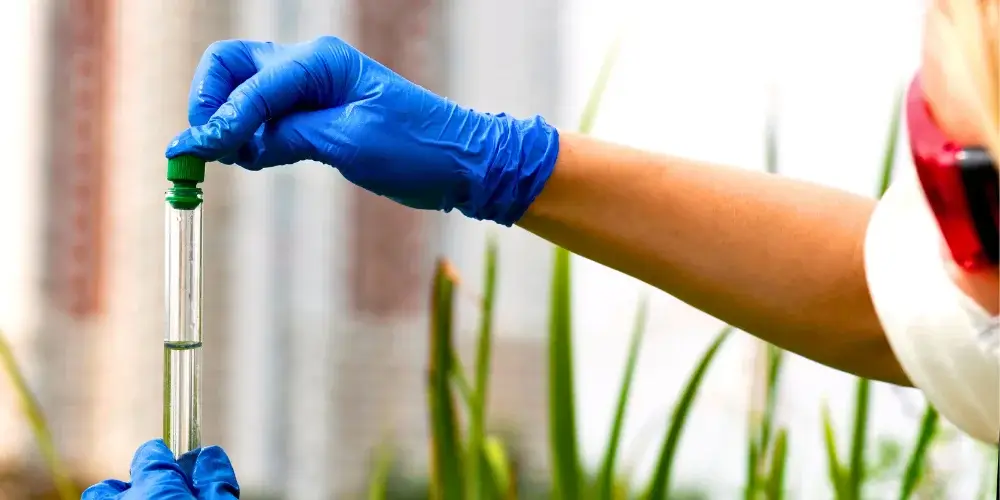
Professional laboratory testing is the only way to verify microbial safety. A certified lab doesn’t just look for a “presence” of bacteria; they perform “quantification,” measuring the concentration of colonies. This data allows homeowners to determine if they need a simple shock chlorination of their pipes or a more permanent solution, like a UV (ultraviolet) disinfection system.
Integrating Microbiology into Home Wellness
Respecting bacterial testing means making it a regular part of your home’s “health profile.” Instead of testing only when something goes wrong, proactive owners are beginning to test annually or after any major plumbing repair.
Many residents find the technicalities of microbial science confusing, which is why a well-maintained FAQ can be an invaluable resource. Understanding the difference between “benign” environmental bacteria and “pathogenic” threats helps homeowners stay calm and focused on effective solutions. Furthermore, staying updated via a local blog ensures that you are aware of any seasonal spikes in microbial activity reported across the borough.
A Higher Standard for Staten Island
As Staten Island continues to lead the way in residential safety standards, bacterial testing must be elevated from an “extra” to a “necessity.” The health of a household is only as strong as its most invisible components.
If you haven’t had your home’s microbiology checked recently especially if you have older plumbing or have recently completed a renovation it is time to give these tests the respect they deserve. You can contact us today to schedule a comprehensive bacterial audit. Ensuring your water is biologically safe is one of the simplest yet most profound ways to protect your family’s well-being in 2026.