
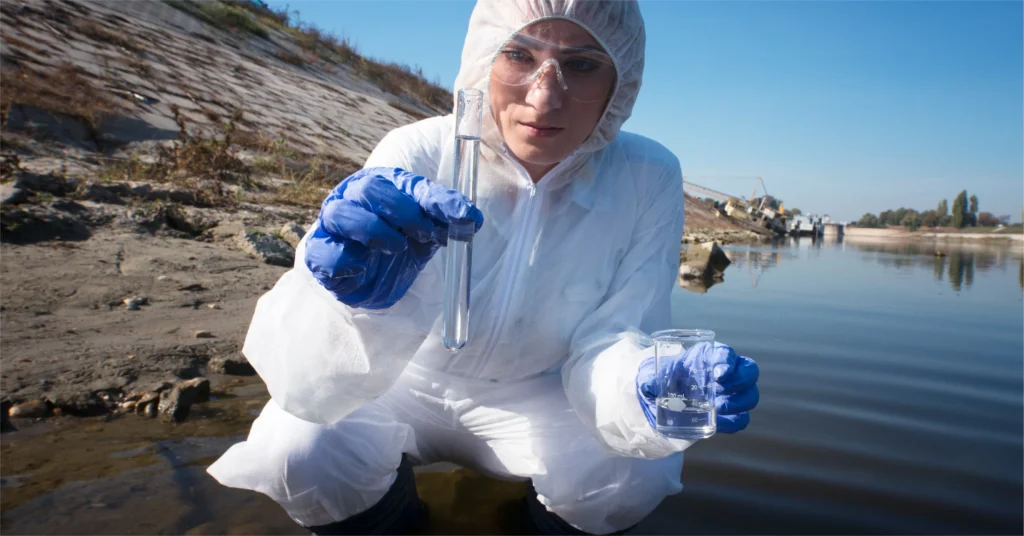
When a Staten Island homeowner notices a metallic tang in their morning coffee or a faint reddish stain in the bathtub, the initial instinct is often to blame the city’s reservoir system. However, for the majority of residents in 2026, the source of water quality concerns isn’t miles away in the Catskills it is right beneath their feet. On Staten Island, water quality questions almost always begin with the plumbing.
The borough’s unique development history has created a diverse “plumbing landscape.” From the century-old lead service lines in North Shore neighborhoods like Port Richmond to the rapidly aging galvanized pipes in mid-century Great Kills homes, the “final mile” of water delivery is where most contamination occurs. This is why professional testing services have shifted their focus from the street to the tap.
The Lead Pipe Replacement Act and the “Final Mile”
As of May 2026, the conversation around local water has been re-energized by the Lead Pipe Replacement Act, a statewide initiative aimed at identifying and replacing the estimated 555,000 lead service lines (LSLs) still active across New York. On Staten Island, this is a particularly sensitive issue for those living in older Brooklyn property types and historic island homes.
The service line the pipe connecting the municipal main to the house is often the “missing link” in water safety. Even when the city delivers pristine water, a lead service line can leach neurotoxins into the supply, especially when water sits stagnant overnight. Testing is the only way to confirm if a “passing” city report is being undermined by a home’s specific entry point.
Material Matters: Identifying Your Home’s “Arteries”
Plumbing is the circulatory system of the home, and its materials dictate the health of the water it carries. Staten Island homeowners often deal with three distinct eras of plumbing, each with its own set of water problems:
- The Lead Era (Pre-1960s): Lead pipes and lead-soldered copper are the primary concerns for heavy metal exposure.
- The Galvanized Era (1940s–1970s): Galvanized steel pipes eventually corrode from the inside out. This rust not only restricts flow but can also trap lead particles from old city mains and release them into the home’s water years later.
- The Modern Era (Post-1980s): While copper and PEX are standard, even modern brass fixtures were allowed to contain small amounts of lead until very recently.
Understanding which era your home belongs to is the first step in asking the right questions. Many residents check our locations page to see how their specific neighborhood’s age correlates with common plumbing materials found in the area.
Why the DEP Report Isn’t the Whole Story
The NYC Department of Environmental Protection (DEP) releases regular water quality distribution data, which consistently shows that NYC water meets or exceeds federal standards at the source. However, as any professional will tell you, these reports measure the water before it hits your private property.
Questions about your water quality must account for “internal variance.” This is the scientific reality that water can change significantly as it travels from your basement to your second-floor bathroom. Professional lab analysis accounts for this by testing at multiple points, providing a “decision-quality” result that DIY kits simply cannot match.
The Proactive Staten Island Homeowner
In 2026, “home wellness” has become a priority for Staten Island families. They are moving away from reactive fixes and toward proactive monitoring. This shift is driven by a wealth of information available through local blog posts and community forums, where neighbors share their experiences with everything from brown water after a main break to the benefits of whole-house filtration.
For many, the process starts with a simple FAQ review to understand the difference between “clear” water and “clean” water. By the time they decide to contact us, they already know that the answer to their water quality questions won’t be found in a reservoir it will be found in their own pipes.
If you’re ready to stop guessing and start knowing, a professional plumbing-based water audit is the most important investment you can make for your household’s health. Don’t let your home’s plumbing history dictate your family’s future.