
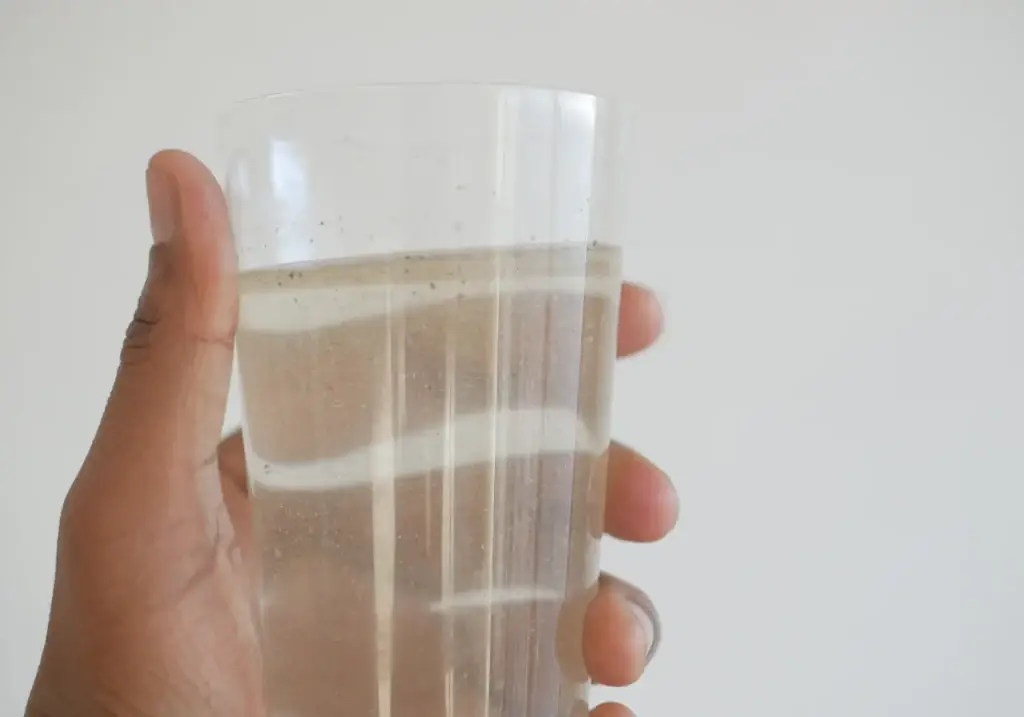
As parents living in Brooklyn, we spend a lot of time thinking about the safety of our children. We obsess over the quality of the food in their lunchboxes, the safety of the playground equipment at Prospect Park, and the air quality during high-pollen days. Yet, one of the most fundamental aspects of our children’s health—the water flowing from our kitchen taps—is often something we take for granted.
In a borough as historic as Brooklyn, our infrastructure tells a complex story. From the pre-war brownstones of Park Slope to the renovated lofts in Williamsburg, our homes are connected to a labyrinth of piping, some of which dates back nearly a century. When it comes to water safety, specifically the risk of lead contamination, knowledge is not just power; it is an essential tool for protecting your family’s long-term health.
Why Lead is a Concern in Brooklyn Homes
Lead is a potent neurotoxin that has been used in construction and plumbing for generations. While New York City’s water supply is lead-free when it leaves the treatment facility, the risk arises during the journey through the distribution system and, more importantly, within the service lines and plumbing inside our own homes.
In many older Brooklyn residences, the service line—the pipe that connects the house to the city water main—may be made of lead. Even if your service line has been updated, older interior plumbing, lead-based solder used to join copper pipes, and even certain brass fixtures can leach lead into your drinking water.
Because lead is colorless, odorless, and tasteless, you cannot detect it with your senses. For a parent, this creates a silent, invisible uncertainty.
Understanding the Risks to Children
The reason lead is such a significant concern for parents is that children are uniquely vulnerable to its effects. According to the Environmental Protection Agency (EPA), there is no known safe level of lead in a child’s blood.
Exposure can cause irreversible damage to a developing brain and nervous system. Even at low levels, lead exposure in children has been linked to:
- Behavioral and learning problems
- Lower IQ and hyperactivity
- Slowed growth
- Hearing problems
Because children absorb lead more readily than adults, their physiological response to contamination is more severe. This is why being proactive about your water quality is one of the most important preventative health measures you can take as a homeowner or renter.
How to Assess Your Risk
You don’t have to guess whether your home is at risk. While you can look for obvious signs—such as lead pipes (which are usually dull gray and can be scratched with a penny to reveal a shiny, silver-colored metal)—visual inspections are never enough.
1. Check Your Service Line
If you are unsure about the material of your service line, you can contact your water utility provider or check your building’s maintenance records. If you live in an older property, the type of building often correlates with the age of the plumbing.
2. Practice Basic Safety Measures
While you wait for professional results, you can immediately reduce potential exposure by:
- Running the tap: If the water has been sitting in the pipes for more than six hours, run the cold water tap for several minutes until it becomes as cold as it will get. This flushes out water that has been in contact with pipes for an extended period.
- Always use cold water for drinking and cooking: Hot water dissolves lead more quickly than cold water. Never use water from the hot tap to make baby formula or for cooking pasta or soups.
- Clean your aerator: Lead particles can get trapped in the small mesh screens at the tip of your faucets. Regularly unscrewing and cleaning these aerators can remove sediment buildup.
3. Professional Testing
The only way to know for certain if lead is present in your tap water is through laboratory analysis. Because plumbing systems are localized, your neighbor’s results do not guarantee your water’s safety. Professional water testing services provide an accurate picture of what is actually coming out of your tap, accounting for your home’s unique plumbing configuration.
Making Water Safety a Habit
For Brooklyn parents, taking control of your home environment is a natural instinct. When it comes to lead, it is helpful to shift your perspective: testing your water isn’t about fueling anxiety; it’s about establishing a baseline of health.
Many families choose to test their water annually or whenever they move into a new property. If you have questions about the logistics of testing, Frequently Asked Questions can provide clarity on what the process involves and how to interpret your lab results.
When to Seek Professional Guidance
Sometimes, even after taking precautions, you may need a more comprehensive evaluation of your water safety. If you have recently renovated your home, if you have young children or infants, or if you simply want the peace of mind that comes with professional verification, reaching out to experts who understand the unique infrastructure of our borough is a wise step.
Whether you are in a classic brownstone or a modern high-rise, your location in Brooklyn shouldn’t dictate your child’s health. Being informed and proactive is the best defense against environmental hazards.
If you are ready to take the next step in securing your home’s water quality, feel free to contact us to discuss your specific concerns. Taking the initiative today can make all the difference for your family tomorrow.
Disclaimer: This guide is intended for informational purposes only. If you suspect your child has been exposed to lead, please consult with your pediatrician immediately, as they can perform a blood lead level test.