
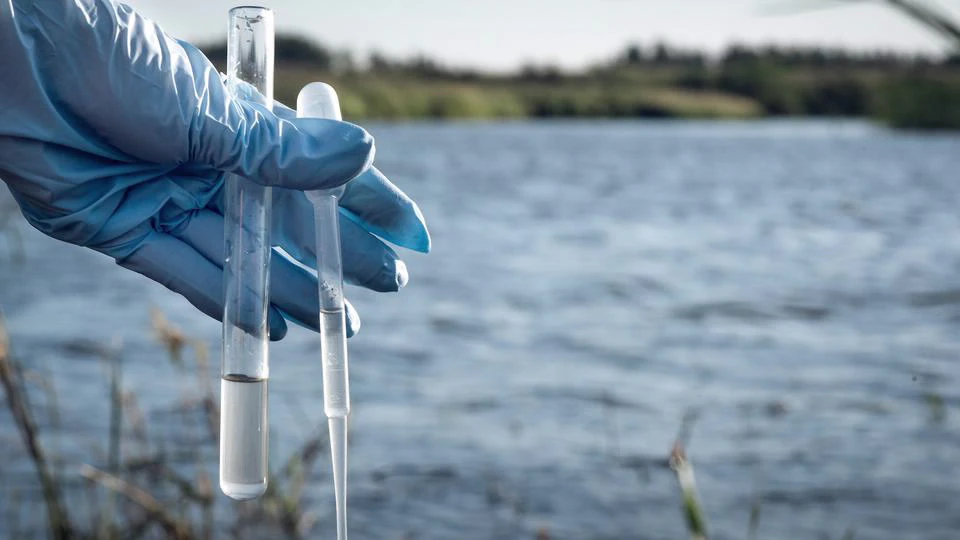
For decades, Staten Island has been celebrated as the “Borough of Parks,” offering a suburban reprieve from the dense urban landscape of New York City. From the historic streets of Richmond Town to the coastal stretches of Tottenville, residents take immense pride in their homes and the health of their families. However, a growing trend is emerging among these homeowners: a move toward professional water testing.
While the city’s water supply is often cited as some of the highest quality in the country, the journey that water takes from the reservoirs upstate to a kitchen tap in Great Kills or St. George is long and complex. This complexity, combined with aging infrastructure and a heightened awareness of environmental health, has led to a significant surge in demand for testing services across the island.
Why Staten Island is Turning Toward Professional Testing
The shift toward professional analysis isn’t merely a trend; it is a response to the evolving understanding of residential safety. Homeowners are realizing that “clear” water does not necessarily mean “clean” water. Many of the most concerning contaminants found in domestic supplies are colorless, odorless, and tasteless.
Aging Infrastructure and Historic Homes
Staten Island is home to a diverse array of architecture, ranging from mid-century builds to Victorian-era estates. While these homes offer character, they often contain legacy plumbing. Solder used in copper pipes prior to the 1980s or older lead service lines can leach heavy metals into the water supply. Even if the Department of Environmental Protection (DEP) delivers pristine water to the street, the “final mile” the pipes within the property itself can introduce significant water problems.
Professional testing provides a definitive answer to what is happening inside those pipes. By analyzing the water at the point of use, Staten Islanders are taking a proactive stance against lead, copper, and cadmium exposure.
Environmental Awareness and Recent Events
Nationwide headlines regarding water quality issues in other municipalities have served as a wake-up call for many. Residents are no longer content with “good enough.” They want data. This is particularly true for families with young children or elderly residents, who are more susceptible to the long-term effects of heavy metal accumulation or microbial contaminants.
The Limitations of DIY Test Kits
As interest in water safety grows, many homeowners initially turn to over-the-counter DIY kits. While these can offer a basic baseline, they often fall short of the precision required for true peace of mind.
- Sensitivity Levels: DIY kits often have higher detection limits, meaning they might miss low levels of contaminants that are still health-concerns over long periods.
- Scope of Testing: Most store-bought kits only test for a handful of basic parameters. A professional lab analysis covers a much broader spectrum, including volatile organic compounds (VOCs) and specific industrial runoff markers.
- Human Error: Proper sampling is a science. Professional technicians ensure that samples are collected at the right temperature, from the right faucets, and handled in a sterile environment to prevent cross-contamination.
For those living in various Brooklyn property types or Staten Island residences, the investment in professional-grade data is becoming the preferred choice over the uncertainty of a home kit.
Common Contaminants Under the Microscope
When Staten Island residents seek professional testing, they are typically looking for a few specific categories of contaminants that are prevalent in the Northeast:
Lead and Heavy Metals
As mentioned, lead remains the primary concern in older NYC boroughs. There is no “safe” level of lead exposure, especially for developing children. According to the Environmental Protection Agency (EPA), lead enters drinking water primarily through the corrosion of plumbing materials.
Chlorine and Disinfection Byproducts
NYC treats its water with chlorine to eliminate pathogens. While necessary, high levels of chlorine can affect the taste and smell of water. More importantly, when chlorine reacts with organic matter, it can create disinfection byproducts (DBPs) like trihalomethanes, which are monitored closely by health officials.
Microplastics and Emerging Contaminants
A newer area of concern involves microplastics and “forever chemicals” (PFAS/PFOA). Research published by organizations like the Environmental Working Group (EWG) has highlighted how these substances persist in environments and water supplies. Professional labs are the only reliable way to detect these microscopic threats.
The Local Impact: From the North Shore to the South Shore
The geography of Staten Island plays a role in how residents approach water safety. On the North Shore, where density is higher and buildings are often older, the focus is frequently on lead and pipe degradation. In the more suburban South Shore, homeowners might be more concerned with the effects of local construction or the integrity of newer plumbing systems.
Regardless of the neighborhood, the consensus is clear: knowing exactly what is in your water is a fundamental aspect of home maintenance. This is why more people are visiting the locations page to find reputable local experts who understand the specific nuances of the New York City water grid.
How the Process Works
For a homeowner, the process of professional testing is remarkably unobtrusive. It typically involves a few key steps:
- Consultation: Identifying specific concerns, such as a metallic taste, staining on fixtures, or simply a desire for a comprehensive health check.
- On-Site Sampling: A technician visits the home to collect samples. This often includes a “first draw” (water that has sat in pipes overnight) and a “flushed” sample to differentiate between plumbing issues and supply issues.
- Laboratory Analysis: The samples are sent to a certified laboratory where they undergo sophisticated testing using equipment like Inductively Coupled Plasma Mass Spectrometry (ICP-MS).
- Reporting: The homeowner receives a detailed report. At this stage, many turn to a FAQ section to help interpret the results and understand the difference between “Action Levels” and “Maximum Contaminant Level Goals.”
Strengthening the Community Through Information
Knowledge is the best defense against environmental hazards. The rise in water testing is often fueled by community word-of-mouth. As one neighbor discovers a hidden issue and resolves it, others in the area are prompted to take similar action.
The wealth of information available on a dedicated blog can help dispel myths and provide homeowners with the context they need to make informed decisions. Education turns a “hidden” utility into a transparent part of the household.
A Healthier Future for Staten Island
As Staten Island continues to grow and its infrastructure continues to age, the reliance on professional water testing is likely to become a standard part of homeownership, much like a boiler inspection or a roof check. It is a small investment that yields significant returns in health, safety, and property value.
The quality of our lives is inextricably linked to the quality of our water. By moving beyond the tap and looking into the science of what we drink, Staten Island residents are ensuring that their homes remain the safe havens they were intended to be.
If you have questions about the water quality in your specific area or wish to schedule an assessment, the best first step is to contact us to speak with a professional. Whether you are in a historic brownstone or a modern new build, the peace of mind that comes with certified data is invaluable.
For more information on New York State water standards, you can also visit the New York State Department of Health website to see how local regulations protect consumers. Taking charge of your home’s water quality is a vital step in modern urban living one that Staten Island is embracing with open arms.
Staten Island Residential Buildings Often Hide Uneven Plumbing Histories
Staten Island is a borough defined by its architectural contrast. You can find a sleek, modern glass condo in St. George just blocks away from a Victorian-era manor that has stood since the late 1800s. While this diversity gives the island its unique character, it also creates a complex “underground” reality. For homeowners, the biggest mystery often isn’t what’s behind the walls, but what’s inside the pipes.
Across the borough, residential buildings often hide uneven plumbing histories. A home might have been “renovated” in the 1970s, but what does that mean for the service line? Another might have modern PEX piping in the kitchen but original lead-soldered copper in the upstairs bathroom. This inconsistency is exactly why testing services have become a standard precaution for savvy local buyers and long-term residents alike.
The “Patchwork” Problem in Older Homes
In neighborhoods like West Brighton and Clifton, many homes have passed through generations of owners. Over the decades, plumbing is rarely replaced all at once. Instead, it is patched.
- The Lead Legacy: Many Staten Island homes built before the 1960s originally utilized lead pipes. While many of these have been replaced, “orphaned” segments of lead pipe can still exist within a home’s internal network.
- Galvanized Steel Issues: Popular in mid-century builds, galvanized pipes eventually corrode. This corrosion doesn’t just restrict water flow; it can trap lead particles from the city’s old service lines, releasing them into your water decades later.
- The Solder Shift: Even in homes built as recently as the early 1980s, copper pipes were often joined using lead-based solder.
Because of this patchwork history, a single water sample often isn’t enough to tell the whole story. Professionals often look for various water problems by testing different points in the house to see if the contamination is localized or systemic.
Modern Developments Aren’t Exempt
It is a common misconception that if a building is “new,” the water is guaranteed to be perfect. Even in newer Brooklyn property types and Staten Island developments, issues can arise. New brass faucets and fixtures, for instance, can legally contain trace amounts of lead. Furthermore, high-rise residential buildings often utilize complex storage tanks and booster pumps. If these systems are not maintained correctly, they can become breeding grounds for bacteria or sediment.
Professional water testing acts as a “physical exam” for the building’s circulatory system. It confirms that the modern materials are performing as intended and that no external contaminants are infiltrating the domestic supply.
Why Local Knowledge Matters
Staten Island’s water journey is unique. Most of the borough’s water travels through the Richmond Tunnel, a massive water siphon under the Upper New York Bay. While the NYC Department of Environmental Protection (DEP) maintains rigorous standards at the source, the local distribution can be affected by everything from water main breaks to local construction runoff.
Residents who are curious about how their specific neighborhood fares often check the locations page to see how proximity to certain industrial zones or aging infrastructure hubs might impact their risk profile.
The Financial and Health Stakes
Ignoring an uneven plumbing history can be a costly mistake. From a health perspective, chronic exposure to low levels of heavy metals can lead to neurological issues and high blood pressure. According to the Centers for Disease Control and Prevention (CDC), there is no known safe blood lead level in children, making water quality a top priority for young families moving into the borough.
From a financial standpoint, knowing the state of your plumbing is essential for:
- Home Sales: A certified water report is becoming a powerful tool in real estate negotiations.
- Insurance: Identifying corrosive water early can prevent pinhole leaks that lead to expensive water damage claims.
- Filtration Efficiency: You cannot choose the right filter until you know exactly what you are trying to filter out.
Transparency Through Professional Analysis
The trend toward professional testing on Staten Island is a trend toward transparency. Homeowners are no longer willing to guess about the “uneven history” of their pipes. They are seeking out data-driven results.
If you are concerned about the age of your plumbing or have noticed changes in water clarity or taste, exploring a comprehensive FAQ can help you understand what to look for. Ultimately, the goal is to ensure that the history of your home no matter how patchwork it may be doesn’t dictate the future of your health.
To get a clear picture of what’s flowing through your taps, don’t hesitate to contact us for a professional assessment. In a borough where every house has a story, make sure your water quality is a chapter you can be proud of.