
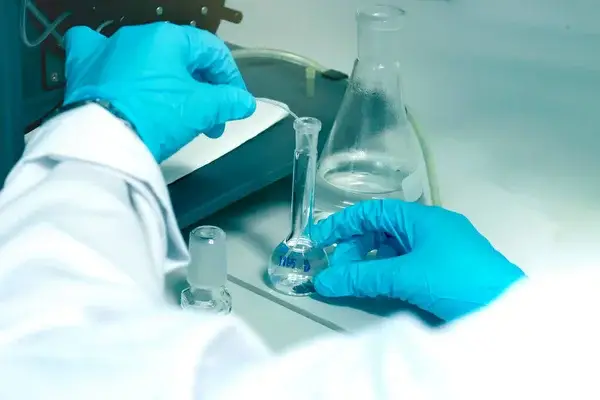
For those living in the historic townhouses of Brooklyn Heights, home ownership is often a labor of love. From preserving original mahogany railings to carefully restoring plaster moldings, the goal is to honor the past while living comfortably in the present. However, there is one aspect of this historic architecture that requires more than just careful preservation—it requires a modern, diagnostic approach: the plumbing.
In buildings dating back a century or more, the internal water distribution system is often a patchwork of different materials added during various renovations. This is why, for the discerning townhouse owner, fixture-level water testing is the most effective way to ensure the safety of your water supply.
The Complexity of Townhouse Plumbing
A typical Brooklyn Heights townhouse is rarely a “closed system.” Over the last hundred years, these homes have likely seen multiple plumbing updates. You might have a modern copper kitchen faucet, but it could be connected to an original vertical riser or a section of galvanized steel piping hidden behind a wall in the parlor floor.
Because water quality can change from room to room, testing just one tap in the kitchen may not tell the whole story. Lead can leach into water at specific points, such as:
- Aged Solder: Even if your pipes were replaced, if they were joined with lead-based solder (common before 1986), those joints can become hotspots for lead contamination.
- Corroded Fixtures: Some high-end vintage or even newer brass fixtures can contain enough lead to affect the water specifically at that one sink or bathroom.
- “Dead Legs”: Renovations can sometimes leave behind unused sections of pipe that hold stagnant water, which then leaches minerals and metals into the flow of your active pipes.
Why Fixture-Level Testing Wins
Rather than relying on a single, general test, fixture-level testing allows you to isolate and identify the exact source of any potential water quality issue. By sampling from the kitchen sink, the bathroom faucet, and even the basement utility sink, you can create a “map” of your home’s water safety.
This granular approach helps you make smarter decisions. For example, if your kitchen sink is lead-free but your bathroom tap shows trace levels of iron or copper, you won’t have to waste money re-plumbing the entire house. You can perform a targeted fix, such as replacing a specific faucet or adding a point-of-use filtration system under that specific sink.
The Value of Professional Insight
In a historic property, visual inspections are simply not enough. You cannot “see” lead or chemical residues, and DIY strips often lack the sensitivity to detect contaminants at the low-but-concerning levels that can accumulate in stagnant pipes.
Professional water testing services provide the lab-grade accuracy required to differentiate between benign sediment and genuine health hazards. When you have a clear, scientific report for each fixture, you transition from “guessing” about your family’s health to having a clear, actionable plan.
Protecting Your Investment
Beyond the immediate health benefits, proactive water management is a hallmark of responsible property ownership in Brooklyn. As you evaluate your home’s plumbing profile, remember that knowledge is the ultimate insurance policy.
If you are concerned about potential water problems in your townhouse, or if you simply want to establish a health baseline for your property, don’t leave it to chance. You can find answers to many common questions on our FAQ page, or you can contact us to discuss how we can help you secure the safety of every tap in your home.
Have you ever noticed that your water tastes or smells differently when using the kitchen sink compared to the bathrooms in your home?