
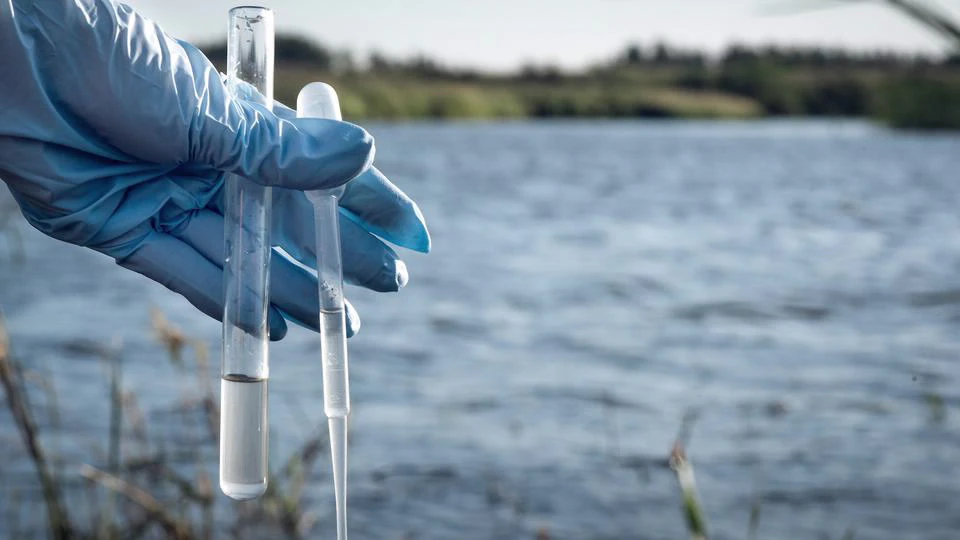
Most Queens residents assume their water has always come from the same place. For much of the borough, that is true, but for southeastern Queens, the story is far more unusual. Until the 1990s, hundreds of thousands of Queens residents drank water pumped from wells beneath their own feet, not from the upstate reservoirs that serve the rest of New York City. That system changed dramatically in 1996, and understanding why offers valuable insight into the water flowing from your tap today. This is where a trusted water testing laboratory Queens proves invaluable, giving homeowners a clear, accurate look at exactly what is in their water. From lead and copper to bacteria, arsenic, and other hidden contaminants, professional analysis detects the risks that taste, color, and smell can never reveal, helping you make confident decisions before a small issue becomes a costly one.
This is a look at where Queens water actually comes from, the century-long history of the local wells that once supplied the area, and the reasons the city made the switch to surface water. It’s history with real, present-day consequences, from water quality to the groundwater flooding some neighborhoods face right now.
Where Queens Gets Its Water Today
Today, virtually all of Queens receives its drinking water from the same sources as the rest of New York City: the Catskill, Delaware, and Croton watersheds. This is high-quality surface water collected in a vast network of upstate reservoirs and delivered to the five boroughs through a gravity-fed system of aqueducts and tunnels that stretch up to 125 miles north of the city.
The Catskill and Delaware systems supply the majority of the city’s water and are so well protected that New York is one of the few major U.S. cities permitted to deliver unfiltered surface water. It’s consistently rated among the best big-city water supplies in the country. For the average Queens homeowner, this means the water reaching your building starts out clean and rigorously monitored.
But this uniform, reservoir-based supply is a relatively recent reality for one large slice of the borough. For more than a century, southeastern Queens was the exception.
The Century of Local Wells: The Jamaica Water Supply Company
From 1887 to 1996, a privately owned utility called the Jamaica Water Supply Company (JWS) provided drinking water to communities across southeastern Queens and parts of Nassau County. Rather than drawing from distant reservoirs, the company pumped water directly from the aquifers beneath Long Island, a natural underground reservoir of groundwater.
This made southeastern Queens genuinely distinct. While the rest of the city sipped water that had traveled from the Catskills, neighborhoods like Jamaica drew on a local, homegrown supply. The company operated a large network of supply wells and storage tanks, some of which still stand as landmarks in the area today.
Why a Private Well System Lasted So Long
For decades, the arrangement functioned as a regulated monopoly with stable pricing. But over time, cracks began to show. In its final years, the private model left customers paying significantly more than their municipally served neighbors, and the water itself drew frequent quality complaints. The combination of higher costs and growing concerns set the stage for change.
Why Queens’ Water Changed in the 1990s
In 1996, New York City purchased the Queens portion of the Jamaica Water Supply Company and folded it into the municipal system. The city’s Department of Environmental Protection (DEP) took over responsibility for delivering water to the affected communities and renamed the collection of wells the groundwater supply system.
Several forces drove the transition:
- Cost fairness: Residents served by the private company had been paying substantially more than other New Yorkers for their water.
- Water quality concerns: The groundwater supply faced ongoing quality complaints, and portions of the aquifer had contamination concerns that made treatment increasingly complex.
- System integration: Bringing southeastern Queens into the citywide system created a more uniform, reliable, and centrally managed supply for all residents.
After the acquisition, the city gradually shifted these neighborhoods toward the upstate surface-water supply. For a transitional period, residents received either groundwater or a blend of ground and surface water depending on demand. Then, in 2007, the groundwater system was taken offline entirely. Since that year, southeastern Queens, like the rest of the borough, has received all of its water from upstate reservoirs.
The Lasting Effects of the Switch
The move to surface water solved some problems but created new ones that residents still feel today. Understanding these effects helps explain why some Queens neighborhoods have distinctive water-related challenges.
A Rising Water Table and Groundwater Flooding
When the city stopped pumping groundwater in 2007, the water table beneath southeastern Queens began to rise. With no wells drawing water out of the aquifer, groundwater levels have climbed significantly over the following decades. The result has been chronic groundwater flooding in parts of the area, with some homeowners forced to run basement pumps around the clock to keep water out.
This is a direct, ongoing consequence of the 1990s transition, and it remains an active issue that local officials and city agencies continue to address through drainage projects and studies.
A Standby System, Not a Dead One
The old wells were taken offline, but they weren’t abandoned. The city has periodically considered reactivating the groundwater supply as a backup, most notably when major repairs to the aging Delaware Aqueduct raised concerns about maintaining supply. That said, contamination and treatment challenges have made reactivation complicated, and the system has remained dormant as a primary source.
What This History Means for Your Tap Water
This borough’s unusual water history has practical implications for homeowners:
- Your source is now consistent and high quality. Whether you live in Astoria or Jamaica, your water now originates from the same well-protected upstate watersheds.
- The city’s testing only reaches so far. Municipal monitoring covers the public distribution system, not the plumbing inside your individual building, where lead, copper, and sediment can be introduced.
- Local conditions still matter. Groundwater issues, older infrastructure, and building-specific plumbing mean that citywide averages don’t tell the full story of what’s at your faucet.
In other words, knowing where your water comes from is only half the picture. What happens between the reservoir and your glass is what ultimately determines whether your water is safe, and that’s something only a tap-specific test can reveal.
Frequently Asked Questions
Does any part of Queens still use well water?
No. Since 2007, all of Queens, including the southeastern neighborhoods once served by the Jamaica Water Supply Company, has received its drinking water from upstate reservoirs. The groundwater wells remain in place but are not used as a primary supply.
Why did New York City buy the Jamaica Water Supply Company?
The city acquired the Queens portion of the company in 1996 to address higher costs for local residents, ongoing water quality complaints, and the benefits of integrating the area into the unified citywide water system.
Is the water in southeastern Queens different from the rest of the borough now?
Not in terms of its source. All Queens neighborhoods now receive the same upstate surface water. Any differences at the tap typically come from building plumbing and local infrastructure rather than the water source itself.
What is causing groundwater flooding in southeast Queens?
When the city stopped pumping the local wells in 2007, the water table began to rise because groundwater was no longer being drawn out. Over the years, this has led to chronic flooding in some low-lying areas and basements.
If the source water is clean, do I still need to test my home’s water?
Yes. High-quality source water can still pick up contaminants like lead and copper from a building’s own pipes and fixtures, especially in older homes. Testing at your tap is the only way to confirm what you’re actually drinking.
The Bottom Line
Queens has one of the most interesting water histories in New York City. For over a century, southeastern Queens relied on local wells while the rest of the borough drank upstate reservoir water. The 1996 acquisition of the Jamaica Water Supply Company and the eventual shutdown of the wells in 2007 unified the borough’s supply, improved consistency, and delivered high-quality surface water to every neighborhood, while leaving a legacy of rising groundwater that residents still manage today.
Knowing your water’s history is a great start, but knowing what’s in your specific tap is what truly protects your household. If you want a clear, accurate picture of your home’s water quality, Olympian Water Testing is the go-to company for thorough and reliable water testing across Queens and the surrounding area. Their team helps homeowners, property managers, and residents turn complex water data into practical, confident decisions. Reach out to schedule your water analysis and find out exactly what’s flowing through your pipes.