
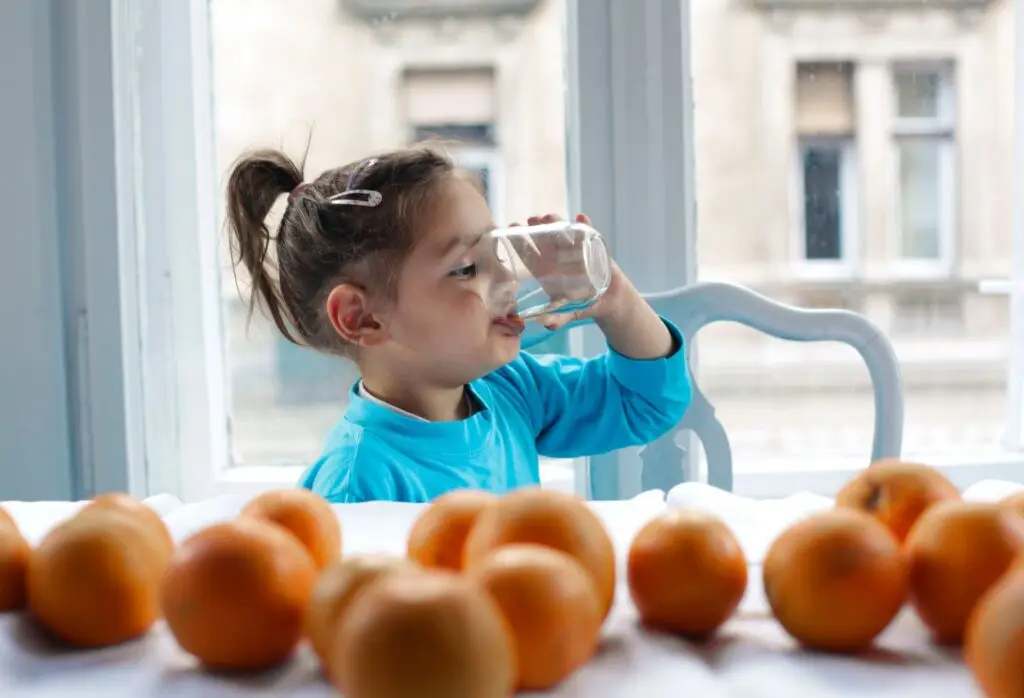
Water testing consultants in Manhattan can help protect the youngest members of your household, identifying exactly what is in your water and what it means for them. Children are not just small adults when it comes to water quality. Their developing bodies absorb contaminants more readily, they drink more water relative to their size, and the effects of certain exposures can last a lifetime. That is why the water flowing from your Manhattan tap deserves special attention if you have young children.
The good news is that NYC’s water is high quality at the source. The important caveat is that what reaches your child’s glass depends heavily on your specific building.
This guide explains how Manhattan drinking water affects children’s health, which contaminants matter most for kids, the warning signs worth watching, and the steps parents and caregivers can take to keep their children safe.
Why Children Are More Vulnerable
Water quality risks that a healthy adult might shrug off can have outsized effects on a child. Understanding why helps explain the extra caution.
Higher intake for their size: Pound for pound, children drink more water than adults, so they take in proportionally more of anything the water contains.
Developing bodies: A child’s brain, nervous system, and organs are still forming, making them more sensitive to contaminants that interfere with development.
Greater absorption: Young children absorb certain substances, like lead, far more efficiently than adults do.
Longer lifetime exposure: Effects that begin in childhood have decades to unfold, raising the stakes of early exposure.
Infants who drink formula mixed with tap water are an especially important group, since water makes up the bulk of their diet during a critical developmental window.
The Contaminant That Matters Most: Lead
If there’s one water contaminant every parent in Manhattan should understand, it’s lead. Lead is uniquely dangerous to children, and it enters drinking water almost entirely through home plumbing rather than the city’s supply.
New York City’s source water is essentially lead-free when it leaves the reservoir. The problem arises inside buildings, particularly those constructed before 1986, which may contain lead service lines, lead solder on copper pipes, or older brass fixtures. When water sits in these pipes, small amounts of lead can dissolve into it, producing water that looks and tastes completely normal but carries a serious risk.
For families who want to know exactly what is present at the tap, professional water testing services can provide a more reliable assessment than relying on appearance or taste.
How Lead Affects Children
There is no known safe level of lead exposure for children. Even low levels have been associated with:
- Developmental and learning difficulties
- Reduced attention span and behavioral challenges
- Lower IQ and academic performance
- Slowed growth and other physical effects
Because lead is invisible, odorless, and tasteless, the only way to know whether it’s present in your water is to test for it. This is the single most important reason for families in older Manhattan buildings to have their water checked.
Other Contaminants Worth Knowing About
While lead is the primary concern, a few other contaminants are worth understanding in the context of children’s health.
Copper
Like lead, copper can leach from home plumbing. Infants are particularly sensitive to elevated copper, which at high levels can cause gastrointestinal upset. A metallic taste or blue-green staining on fixtures can be a clue that copper levels deserve a closer look.
Nitrates
Nitrates are more common in well water than in a well-managed urban supply, but they remain important to understand because they pose a specific danger to infants. Elevated nitrates can interfere with the blood’s ability to carry oxygen in babies, which is why comprehensive testing includes them.
Chlorine and Chloramine
New York City uses chloramine, a blend of chlorine and ammonia, to keep water safe from harmful microbes. At the levels used, it’s considered safe for children to drink. Some families prefer to filter it for taste, and it should be removed from water used in fish tanks, but it’s not a developmental hazard the way lead is.
Bacteria
Microbial contamination is uncommon in the treated city supply but can occur at the building level, especially where rooftop water tanks are poorly maintained or after plumbing disruptions. Because children are more vulnerable to waterborne illness, bacterial testing offers valuable reassurance in buildings with storage tanks.
Parents who notice unusual water conditions can also review common water problems and their potential causes before deciding what steps to take.
Warning Signs Parents Should Watch For
Water contamination often has no obvious signs, which is why testing matters. Still, certain clues warrant prompt attention:
- Discolored or cloudy water that doesn’t clear after running the tap
- A metallic taste in drinking water
- Blue-green or rust-colored staining on sinks and fixtures
- Living in a pre-1986 building without knowing your plumbing’s history
- Recent plumbing work or a nearby water main issue
It’s worth repeating: the absence of these signs does not guarantee safe water. Lead and many other contaminants leave no trace you can see or taste.
How Parents Can Protect Their Children
The reassuring news is that protecting your children’s water is very achievable once you know what you’re dealing with.
Test your water: A professional test is the definitive way to learn whether lead or other contaminants are present at your tap. You can review available water testing and analysis services to determine the appropriate testing options.
Flush the tap: Run cold water for 30 seconds to two minutes before using it for drinking or formula, especially after water has sat overnight. Flushing helps clear water that may have absorbed metals from the pipes.
Use cold water for drinking and cooking: Hot water dissolves lead more readily, so always use cold water for baby formula, cooking, and drinking, and heat it separately if needed.
Install a certified filter: If testing reveals a problem, choose a filter certified to remove the specific contaminant, such as lead.
Maintain awareness of building conditions: Ask your landlord or building manager about plumbing age and water tank maintenance. Understanding how different property types can affect water quality can also help you identify potential concerns.
Frequently Asked Questions
Is Manhattan tap water safe for my baby’s formula?
In most cases, yes, but the safest approach is to use cold, flushed tap water and to have your water tested for lead if you live in an older building. Because formula makes up so much of an infant’s diet, confirming your water is lead-free provides important peace of mind.
How do I know if my building has lead pipes?
Buildings constructed before 1986 are more likely to contain lead components, but the only definitive way to know whether lead is reaching your tap is to test the water. Building age is a clue, not a diagnosis.
Should I switch to bottled water for my kids?
Not necessarily. NYC tap water is high quality, and bottled water carries its own drawbacks. A better approach is to test your tap water, address any specific issues with a certified filter, and rely on safe tap water rather than assuming bottled is superior.
Does boiling water remove lead?
No. Boiling water does not remove lead and can actually concentrate it as water evaporates. Flushing the tap, using cold water, and filtering with a certified device are the effective strategies.
How often should families with young children test their water?
Testing once a year is a sensible baseline, along with testing after moving into a new home, following plumbing work, or whenever you notice changes in taste, color, or odor. Families in older buildings may want to be especially proactive.
For more answers about testing, sampling, and water-quality concerns, parents can also review the water testing FAQ.
The Bottom Line
Manhattan’s drinking water starts out clean and well protected, but children’s unique vulnerability means parents can’t rely on citywide averages alone. Lead is the contaminant that matters most, and because it enters water through home plumbing and leaves no taste or smell, testing is the only way to be certain your child’s water is safe. Simple habits like flushing the tap, using cold water, and filtering when needed add further protection.
Your child’s health is worth the certainty that only real data can provide. Proudly serving families across Manhattan, Brooklyn, Queens, Staten Island, Yonkers, and neighborhoods throughout the greater New York City area, Olympian Water Testing offers accurate, parent-friendly water analysis that clearly explains what’s in your water and what to do about it.
To learn more about water quality and testing, explore the water testing blog or review service locations. When you’re ready to discuss your family’s water testing needs, contact Olympian Water Testing to schedule a professional water analysis.