
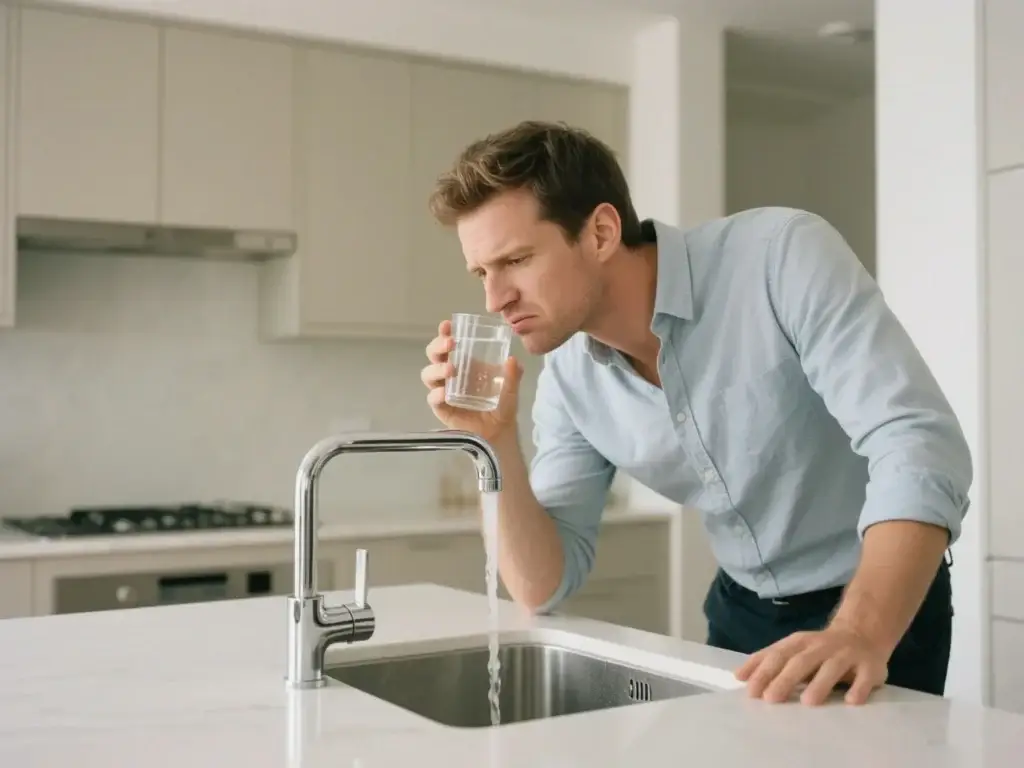
New York City’s water supply is renowned for its quality, sourced from protected upstate reservoirs. However, for Brooklyn residents, the journey from those pristine reservoirs to your kitchen tap involves traveling through an extensive network of aging infrastructure. While the city works to maintain water safety, understanding what can potentially enter your water—and why—is the best way to protect your household.
1. Lead and Copper (Infrastructure-Based)
The most significant concern for many Brooklynites, particularly those in older buildings, is lead.
- The Source: Lead was commonly used in service lines (the pipe connecting your building to the city main) and plumbing solder before it was banned in the 1980s. When pipes corrode, lead can leach into the water.
- The Risk: Lead is a neurotoxin. There is no “safe” level of lead for children, as it can cause developmental and cognitive issues.
- The Action: Because lead is colorless, odorless, and tasteless, it cannot be detected by your senses. If you live in an older property, professional testing services are the only way to know if your specific pipes are leaching lead.
2. Disinfection Byproducts (Chemical Interaction)
To keep the water supply safe from bacteria, the city uses disinfectants like chlorine.
- The Process: When chlorine reacts with naturally occurring organic matter (like decomposing leaves or plant material) in the reservoir water, it can form byproducts known as Trihalomethanes (TTHMs) and Haloacetic Acids (HAA5).
- The Concerns: While these byproducts are monitored to ensure they stay within regulatory limits, some residents prefer to remove them due to potential long-term health risks associated with their consumption.
3. “Forever Chemicals” (PFAS/PFOA)
Per- and polyfluoroalkyl substances (PFAS) have gained significant attention due to their persistence in the environment.
- The Source: These are industrial chemicals used in manufacturing, firefighting foams, and consumer products. Because they don’t break down easily, they can seep into groundwater and surface water.
- The Impact: Studies have linked PFAS exposure to various health concerns, including liver damage and hormonal disruptions.
4. Sediment and Rust
If you have ever turned on your tap and seen brown or reddish water, you are likely looking at iron and sediment.
- The Cause: This is typically a result of physical disturbance. Construction, a water main break, or even routine hydrant flushing can shake loose accumulated sediment or rust scales from the interior of iron pipes.
- The Solution: While usually temporary, this sediment can harbor other contaminants or indicate internal pipe corrosion that may require professional attention.
5. Common Aesthetic Issues
Not all water concerns are health hazards; some are simply matters of preference and comfort.
- Chlorine Taste/Odor: Chlorine is essential for safety, but its presence can be noticeable, especially during warmer months. Many families mitigate this by keeping a pitcher of water in the refrigerator, which allows the chlorine to dissipate.
- Hardness: Water “hardness” refers to the level of dissolved minerals like calcium and magnesium. While hard water can leave mineral deposits on fixtures, it is not a health concern and, for many, is considered better-tasting than “soft” water.
How to Evaluate Your Home’s Water
Because every Brooklyn property type has a different plumbing age and configuration, your water quality is unique to your building.
- Be Aware of Warning Signs: Keep an eye out for metallic tastes, discolored water, or recurring sediment in your aerators.
- Use Certified Testing: Simple, at-home test strips often lack the sensitivity to detect heavy metals at low levels. Laboratory-grade water testing provides the accuracy needed to make informed decisions.
- Understand Your Building: Check your building’s maintenance history if possible. If you are in a high-rise or a historic brownstone, your specific infrastructure needs may differ significantly from your neighbors.
For more information on how to interpret test results or to learn more about the water in our borough, please feel free to visit our FAQ page or reach out to our team.
Are you currently noticing any specific aesthetic changes in your water, such as a chlorine scent or occasional discoloration, that you would like to have tested?