
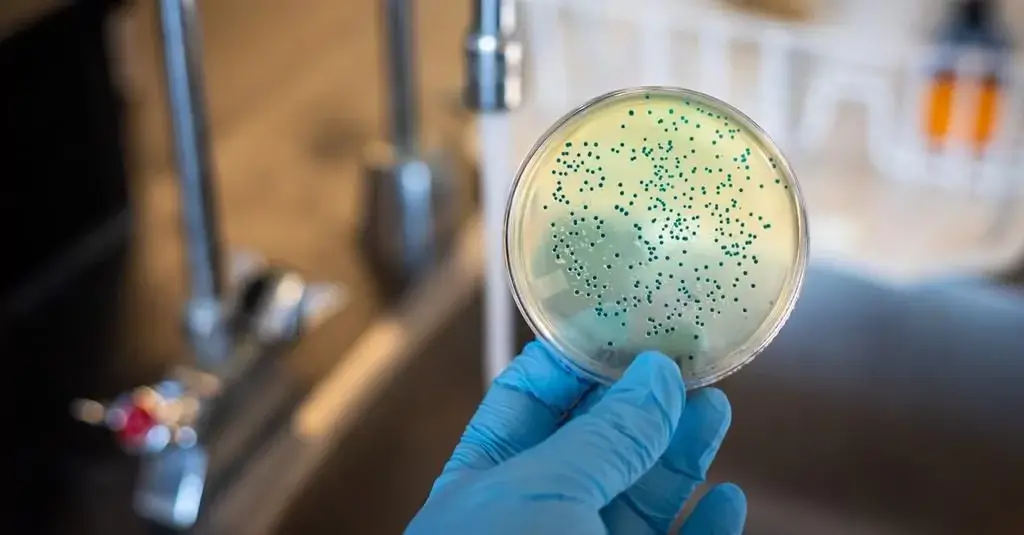
When we talk about water quality in Brooklyn, the conversation often centers on heavy metals like lead or the aesthetics of chlorine. These are valid concerns, especially given our borough’s historic infrastructure. However, there is one category of contamination that is frequently overlooked by homeowners until it is too late: biological contamination.
While the city’s public water supply is treated to be safe, the journey into your building’s internal plumbing introduces variables that the city’s treatment plants simply cannot control. For any serious water safety program, bacteria testing remains a non-negotiable pillar.
The Invisible Reality of “Premise Plumbing”
We often treat our home’s plumbing as a sealed, sterile environment, but the reality is much more complex. Once water enters your building, it enters what scientists call “premise plumbing”—the vast, intricate network of pipes, tanks, and fixtures unique to your structure.
Over time, this system can become a breeding ground for microorganisms. Factors like fluctuating water pressure, low-flow fixtures, and “dead legs” (unused sections of pipe) can lead to the formation of biofilms. These slimy, microscopic layers coat the inside of your pipes and act as a protected harbor for bacteria to grow, regardless of the disinfectant levels in the city’s main supply.
Why You Can’t Rely on “Looks” or “Taste”
Bacteria—including common opportunistic pathogens like Legionella, Pseudomonas, and Mycobacterium—are completely invisible to the naked eye. They don’t change the color of your water, and they don’t produce a distinct odor or taste until a colony has reached a significant, and potentially hazardous, level.
Most families only consider bacteria testing if they notice a “rotten egg” smell or cloudy water, but by that point, the contamination is often well-established. Routine water testing serves as an early-warning system, allowing you to catch colonization before it impacts your family’s health.
When Is Bacteria Testing Essential?
You should incorporate microbiological screening into your home’s maintenance program if you have experienced any of the following:
- Changes in Household Usage: If you have been away for an extended period or have a vacation property that sits vacant, stagnant water is a perfect environment for bacterial growth.
- Plumbing Disruptions: Any major repair, pipe burst, or work on the city main can introduce external contaminants into your line.
- Vulnerable Populations: If you have infants, elderly family members, or individuals with compromised immune systems living in your home, regular testing is a crucial preventative health measure.
- Visible Buildup: If you notice slime or heavy buildup on your faucet aerators or showerheads, it is a sign that biofilm is present in your system.
Taking a Proactive Approach
Routine testing isn’t about fostering anxiety; it’s about establishing a baseline for your home’s health. By testing for indicator organisms like total coliforms or E. coli, you gain clear, objective data about the integrity of your plumbing.
If you are concerned about potential water problems in your building, or if you simply want to ensure your home’s plumbing profile is free from biological hazards, we recommend starting with a professional evaluation. You can find answers to many questions about the sampling process in our FAQ section, or you can contact us directly to discuss the right testing strategy for your property.
Don’t wait for a “red flag.” In a city where we take such care of our homes, ensuring that the water flowing through them is biologically safe is the ultimate act of stewardship for your family’s health.
Have you cleaned or replaced your faucet aerators recently, and did you notice any buildup that might indicate a biofilm presence in your home’s plumbing?