
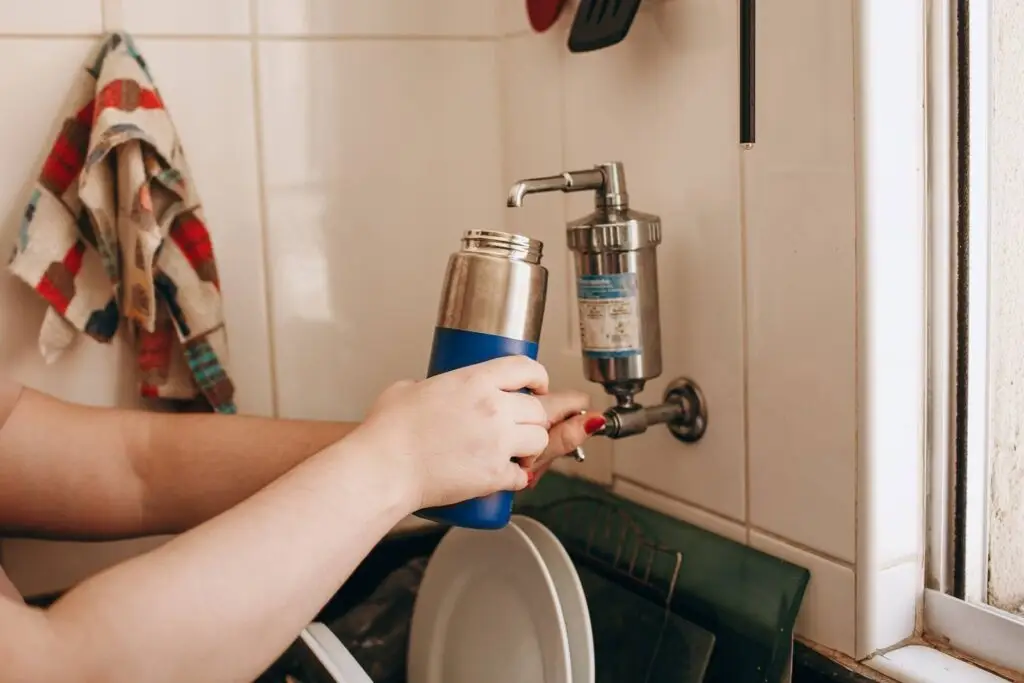
Walk down any Manhattan street and you will pass dozens of homes with water filters, from simple pitcher filters to elaborate under-sink systems. Water testing laboratories in Manhattan help residents answer the question that comes before any purchase: do you actually need one? New York City’s tap water is famously high quality, which leads many to wonder whether a filter is a smart safeguard or an unnecessary expense. The truth, as with most things involving water, depends less on the city supply and more on your specific building and needs.
This guide cuts through the confusion to help you decide whether a water filter makes sense for your Manhattan home, which situations genuinely call for one, and how to choose the right filter if you do.
First, the Good News About NYC Water
It’s worth starting with an honest baseline: Manhattan’s tap water is excellent at the source. The city draws its water from the protected Catskill, Delaware, and Croton watersheds, delivering supply so clean that New York is one of the few major U.S. cities permitted to distribute unfiltered surface water. It consistently ranks among the best big-city water in the country and meets strict federal safety standards.
For many residents in newer buildings with modern plumbing, this means the water arriving at the tap may be perfectly good to drink straight, with no filter required. So a blanket “everyone needs a filter” claim simply isn’t true. The real question is what happens to that water inside your building.
When a Water Filter Is Genuinely Worth It
While the source water is clean, several situations make a filter a wise investment. In these cases, a filter isn’t about anxiety, it’s about addressing a real, identifiable concern.
You Live in an Older Building
This is the most important factor. Buildings constructed before 1986 may contain lead service lines, lead solder, or older brass fixtures that can leach lead and other metals into your water. Since lead is invisible and tasteless, and there’s no safe level of exposure, a certified filter offers meaningful protection in older Manhattan housing, especially if testing confirms a concern.
Before investing in a filtration system, consider professional water testing services to determine whether contaminants are actually present in your home’s water.
You Have Young Children or a Pregnant Family Member
Children and developing babies are far more vulnerable to contaminants like lead. Families in this situation often choose a filter as an added layer of protection, particularly in older buildings.
Your Building Has a Rooftop Water Tank
Many taller Manhattan buildings store water in rooftop tanks. When these tanks are well maintained, the water is fine, but a neglected tank can affect quality and taste. If you’re unsure about your building’s tank maintenance, a filter can provide reassurance.
Understanding the different types of NYC properties and their water-quality considerations can also help residents identify potential issues associated with older or larger buildings.
You Notice Taste, Odor, or Staining Issues
A persistent chlorine taste, musty odor, or metallic flavor can make water unpleasant to drink. A filter can improve taste and reduce the compounds responsible, encouraging your household to stay hydrated.
These symptoms can sometimes indicate underlying water quality problems, making testing a useful first step rather than simply installing a filter without knowing the cause.
You Simply Want Extra Peace of Mind
Even when water is safe, some residents prefer the confidence of an added barrier. That’s a perfectly valid personal choice, as long as it’s an informed one.
When You Probably Don’t Need a Filter
A filter isn’t always necessary. You may not need one if:
- You live in a newer building with modern, lead-free plumbing.
- Professional testing has confirmed your water is free of concerning contaminants.
- You have no taste, odor, or discoloration issues.
- Your building’s water tank (if any) is properly maintained.
The smartest way to answer the question definitively is to test your water first. Rather than buying a filter based on assumptions, testing tells you exactly what, if anything, you need to filter out, so you don’t overspend on a system you don’t need or, worse, choose one that doesn’t address your actual issue.
For residents who want to learn more before scheduling a test, the water testing FAQ provides answers to common questions about the testing process and water quality.
How to Choose the Right Filter
If you decide a filter makes sense, choosing the right one matters. Not all filters remove the same contaminants, so the goal is matching the filter to your specific needs.
Match the Filter to Your Concern
Look for filters certified by a recognized standards organization to remove the specific contaminant you’re concerned about. A filter certified for lead removal, for example, is essential if lead is your issue, and not every filter offers that certification. Testing your water first tells you exactly which certifications to look for.
You can review available water testing and analysis services to determine what type of testing may be appropriate for your situation.
Common Filter Types
Pitcher and faucet filters: Affordable and easy to use, these are good for improving taste and reducing certain contaminants, though capabilities vary widely by model.
Under-sink filters: Installed at the point of use, these often offer more robust filtration for drinking and cooking water.
Reverse osmosis systems: These provide comprehensive filtration, removing a very wide range of contaminants, though they’re a larger investment and remove beneficial minerals too.
Whole-home systems: These treat all the water entering your home and are less common in Manhattan apartments but may suit certain situations.
Don’t Forget Maintenance
A filter only works if it’s maintained. Replace cartridges on schedule, since a clogged or expired filter can become ineffective or even a source of contamination itself. Factor ongoing filter costs into your decision.
If you’re unsure where to begin or want to discuss your property’s water quality, you can contact a water testing professional before purchasing a filtration system.
Frequently Asked Questions
Is Manhattan tap water safe to drink without a filter?
For many residents, yes. NYC’s source water is high quality and meets safety standards. Whether you need a filter depends mainly on your building’s plumbing, which can introduce contaminants like lead in older properties. Testing confirms whether a filter is warranted.
Does a filter remove lead from my water?
Only if it’s specifically certified to do so. Not all filters remove lead, so if lead is your concern, look for a model certified for lead reduction and confirm the issue with testing first.
Should I use a filter just to be safe?
It’s a reasonable personal choice, but a more efficient approach is to test your water first. That way you’ll know whether you need a filter at all and, if so, which contaminants it should target.
Do filters remove chlorine taste?
Yes. Many common filters effectively reduce the taste and odor of chlorine and chloramine, which is one of the most popular reasons people filter their water even when it’s already safe.
Is bottled water a better alternative to filtering?
Usually not. NYC tap water is high quality, and bottled water is costly, creates plastic waste, and isn’t necessarily cleaner. Testing your tap and filtering only if needed is a more practical and economical strategy.
For more water-quality information, testing guidance, and educational resources, you can explore the water testing blog or review available service locations.