
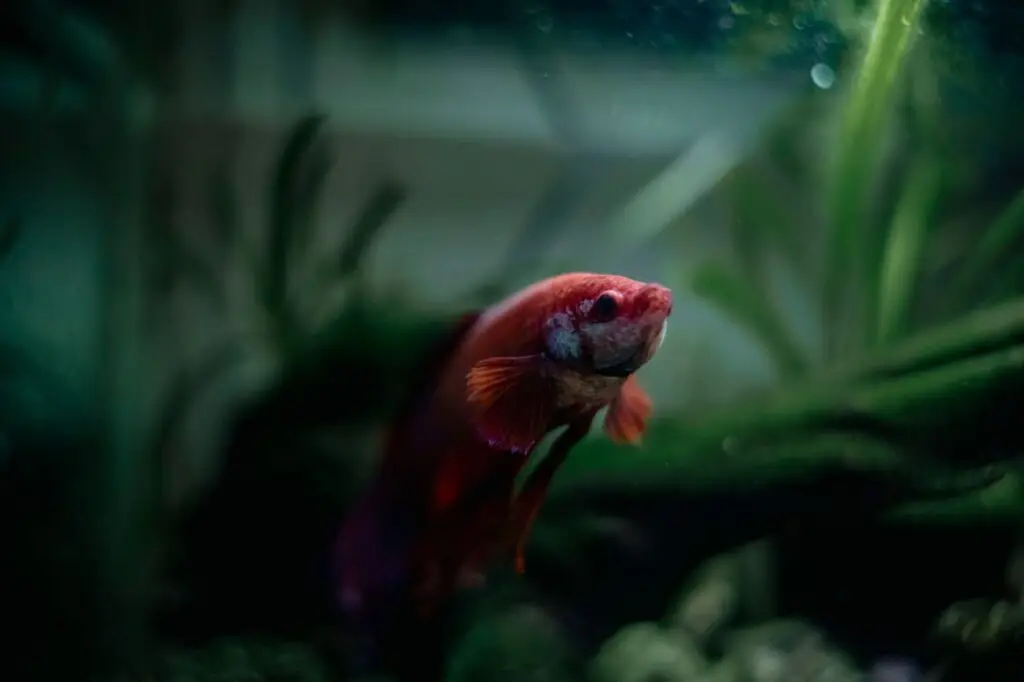
If you own fish, tend a windowsill jungle, or fill a pet’s bowl straight from the faucet, you have probably wondered whether Queens tap water is truly safe for the living things in your home. It is a fair question, and the honest answer is “mostly yes, with a few important caveats.” Fortunately, water testing labs Queens offer the clearest way to know exactly what is flowing from your tap, and whether it needs treatment before it reaches an aquarium, a fern, or a food bowl.
New York City’s water is consistently ranked among the best big-city supplies in the country. But “safe to drink” and “ideal for a betta fish or a sensitive calathea” are not the same standard. Below, we break down what’s actually in Queens tap water, how it affects aquariums, houseplants, and pets, and the simple steps you can take to protect the creatures and plants that depend on you.
Where Queens Tap Water Comes From
Most of Queens receives water from the Catskill and Delaware watersheds, with some neighborhoods drawing from the Croton system. This is unfiltered surface water that travels more than 100 miles through a gravity-fed network of reservoirs and aqueducts. The city treats it before distribution, which means it arrives at your building clean by federal drinking-water standards.
That treatment, however, is designed for human health, not for aquatic ecosystems or delicate root systems. Understanding the specific characteristics of the water helps explain why an extra step or two matters for your household.
Key Characteristics of NYC Tap Water
- Disinfectant: The city uses chloramine (a combination of chlorine and ammonia) as a longer-lasting disinfectant, along with chlorine at certain times of year.
- Hardness: NYC water is generally soft to moderately soft, meaning relatively low levels of dissolved calcium and magnesium.
- pH: The supply is typically slightly alkaline, often in the range of 7.0 to 7.5.
- Fluoride: Fluoride is added for dental health, at levels safe for people but worth noting for certain pets and plants.
- Building-level factors: Older Queens buildings may still have lead solder, copper pipes, or aging plumbing that alter water quality between the street and your faucet.
That last point is the one many residents overlook. City water may leave the reservoir in excellent shape, but the pipes inside your own building can introduce metals and sediment. This is precisely why point-of-use testing beats relying on citywide averages.
Is Queens Tap Water Safe for Aquariums?
Aquariums are where tap water causes the most trouble, and the culprit is usually chloramine. Chlorine on its own evaporates if you let water sit out overnight, but chloramine is far more stable and does not dissipate the same way. Both chlorine and chloramine are toxic to fish, damaging their gills and stressing their immune systems.
The ammonia component of chloramine is a second hazard. In an established tank, beneficial bacteria convert ammonia into less harmful compounds, but a sudden dose from a large water change can spike ammonia to dangerous levels for fish and invertebrates.
How to Prepare Queens Tap Water for a Tank
- Use a water conditioner (dechlorinator): Choose a product that neutralizes both chlorine and chloramine, and detoxifies the resulting ammonia. This is non-negotiable for freshwater and saltwater setups alike.
- Match the parameters to your species: Soft, slightly alkaline NYC water suits many common community fish, but species that need soft, acidic conditions (such as some tetras and discus) or hard, alkaline conditions (such as African cichlids) may require adjustment.
- Test before and after water changes: Check pH, ammonia, nitrite, nitrate, and hardness so you’re not guessing about what your fish are living in.
- Consider building plumbing: Trace copper or lead from older pipes can be lethal to shrimp, snails, and other invertebrates, which are far more sensitive than fish.
For reef tanks and sensitive invertebrates, many Queens hobbyists go a step further and use reverse-osmosis or deionized water, then remineralize it to exact specifications. A laboratory analysis of your raw tap water tells you whether that investment is worthwhile for your setup.
Is Queens Tap Water Good for Houseplants?
The good news for plant lovers is that most houseplants tolerate Queens tap water without complaint. Pothos, snake plants, philodendrons, and many other hardy favorites will thrive on it. The soft-water profile is actually a plus, because hard water leaves mineral crusts on soil and pot rims over time.
Still, a few sensitive species react poorly to certain compounds in tap water.
Which Plants Are Most Sensitive
- Chlorine and chloramine sensitivity: Prayer plants, calatheas, spider plants, and dracaenas can develop brown leaf tips from the disinfectants in tap water.
- Fluoride sensitivity: Fluoride can accumulate in the leaves of certain plants and cause tip burn, particularly in spider plants, dracaenas, and some palms.
- Carnivorous plants: Venus flytraps, sundews, and pitcher plants need mineral-free water and can be harmed even by the modest dissolved solids in city water.
Simple fixes go a long way. Letting water sit out for 24 hours reduces free chlorine (though not chloramine). Collecting rainwater or using filtered or distilled water solves both the chlorine and fluoride issues for sensitive species. For your everyday pothos or peace lily, straight tap water is perfectly fine.
Is Queens Tap Water Safe for Pets?
For dogs, cats, and most household pets, Queens tap water is generally safe to drink, just as it is for people. If your family drinks the water without concern, your dog and cat almost certainly can too. Most veterinarians consider municipal water an acceptable everyday choice.
There are, however, thoughtful reasons to look a little closer.
Considerations for Different Pets
- Dogs and cats: Tap water is fine for the vast majority, but pets with kidney or urinary conditions may benefit from water with a known, consistent mineral profile. Ask your veterinarian if hardness or specific minerals are a factor.
- Reptiles and amphibians: Amphibians absorb water through their skin, making them highly vulnerable to chlorine and chloramine. Their water should be dechlorinated, just like a fish tank.
- Small mammals and birds: Rabbits, guinea pigs, and birds generally do well on tap water, though some owners prefer filtered water to reduce chlorine taste and odor.
- Older plumbing: As with aquariums, the real variable for pets is often the building’s pipes rather than the city supply. Lead exposure is a health risk for animals and humans alike.
If your pet is refusing water or you’ve noticed a change in taste or smell from your tap, that’s a practical signal to have the water checked rather than simply switching brands of bottled water.
Why Local Water Testing Matters
Citywide water quality reports describe the supply as it leaves the reservoir, not as it arrives at your specific faucet. The distance between those two points, your building’s age, its plumbing materials, and how long water sits in the pipes all shape what you actually pour out. That gap is exactly what a professional test closes.
A thorough analysis can measure the factors that matter most for a healthy home:
- Chlorine and chloramine levels
- pH and total hardness
- Lead, copper, and other heavy metals
- Ammonia, nitrates, and nitrites
- Total dissolved solids
- Bacteria and other contaminants
With those numbers in hand, you can stop guessing. You’ll know whether your aquarium needs reverse-osmosis water, whether your sensitive plants deserve filtered water, and whether your building’s plumbing is quietly adding anything you’d rather keep out of your pet’s bowl.
The Bottom Line
Queens tap water is high quality and, for most homes, a fine choice for pets and everyday houseplants. Aquariums are the clear exception: fish, shrimp, and amphibians always need water that has been treated to remove chlorine and chloramine. Sensitive plants and pets with specific health needs may call for an extra layer of care as well.
The smartest move is to base your decisions on real data about your own tap, not on general assumptions. A professional water test gives you a precise picture of what’s flowing through your pipes so you can keep your fish swimming, your plants green, and your pets healthy. When you’re ready to know exactly what’s in your water, a trusted local laboratory can deliver clear, accurate answers tailored to your Queens home.