
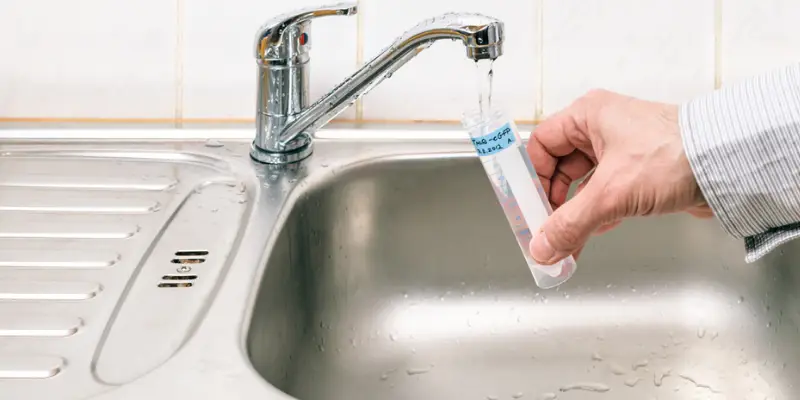
Fill a glass at your apartment, then fill one at the café down the street, and you might notice something odd: the water does not taste the same. This is exactly the kind of mystery water testing labs in Manhattan help residents solve, pinpointing what changes as water travels from the source to your tap.
In Manhattan, tap water can vary noticeably from block to block, even building to building, despite the fact that it all starts from the same upstate source. If you have ever wondered why your neighbor’s water tastes crisper, flatter, or more metallic than yours, the answer lies not in the reservoir but in the pipes, tanks, and plumbing much closer to home.
This guide breaks down why Manhattan tap water tastes different from one location to the next, what those flavor differences can tell you about your water, and when a change in taste is worth investigating further.
It All Starts From the Same Source
Here’s the surprising part: nearly every drop of Manhattan tap water comes from the same place. New York City draws its water primarily from the Catskill and Delaware watersheds, with some supply from the Croton system. This water travels more than 100 miles through a protected network of reservoirs, aqueducts, and tunnels before reaching the city.
Because the source is so consistent and well protected, the water entering Manhattan is remarkably uniform when it arrives. So if the starting point is identical, why does the water taste different depending on where you are? The answer is everything that happens after the water leaves the city’s main distribution system.
What Actually Changes the Taste Block to Block
The flavor of your tap water is shaped by the journey it takes through your neighborhood’s infrastructure and your building’s plumbing. Several factors come into play.
1. Building Plumbing and Pipe Materials
The pipes inside your building have an enormous influence on taste. Older buildings may still have aging galvanized steel, copper, or even lead components, while newer construction typically uses modern materials. As water sits in and moves through these pipes, it can pick up trace metals and minerals that subtly alter its flavor.
- Copper pipes can lend a faint metallic taste, especially if water has been sitting overnight.
- Older galvanized pipes may contribute a rusty or earthy note as they corrode.
- Lead components don’t change taste in a detectable way, which is precisely why they’re dangerous and require testing.
If you’re concerned about metals or other contaminants potentially entering your water through older plumbing, professional water testing services can identify issues that taste alone cannot reveal.
2. Rooftop Water Tanks
Manhattan’s iconic wooden rooftop water tanks are more than a skyline feature. In many taller buildings, water is pumped up to these tanks and stored before being distributed to apartments. The condition and cleanliness of a tank directly affect taste.
A well-maintained tank delivers fresh water, while a neglected one can impart musty, stale, or off flavors. Two neighboring buildings can taste different simply because of how well their tanks are maintained.
3. How Long Water Sits (Water Age)
“Water age” refers to how long water has been sitting in pipes and tanks before it reaches your faucet. Water that moves quickly through a busy building tastes fresher, while water that stagnates, in a low-occupancy building, a rarely used line, or overnight, can taste flat or pick up more from the pipes.
This is why the first draw in the morning often tastes different from water you pour in the afternoon.
4. Chlorine and Chloramine Levels
New York City uses chloramine, a blend of chlorine and ammonia, as its primary disinfectant, along with seasonal chlorine. These are essential for keeping water safe, but the concentration you taste can vary based on your distance from treatment points and the time of year.
Some people are more sensitive than others to that faint “pool water” note, and it can be stronger in some areas than others.
5. Temperature and Seasonal Variation
Colder water generally tastes crisper and more refreshing, while warmer water can taste flatter. Because pipe temperatures vary between buildings, floors, and seasons, the same water can register differently on the palate depending on when and where you drink it.
When a Taste Change Is Worth Investigating
Not every flavor difference is a cause for concern. Much of the block-to-block variation in Manhattan is harmless, driven by temperature, water age, or normal disinfectant levels. But some taste and odor changes can signal an issue worth looking into.
- A strong metallic taste may point to corroding pipes and possible metal leaching.
- Musty or moldy odors can indicate a problem with a rooftop tank or stagnant water.
- A sudden change in taste, smell, or color, especially after plumbing work or a water main issue, deserves attention.
- Discoloration that doesn’t clear after running the tap is a clear signal to test.
The key thing to remember is that taste alone is an unreliable guide to safety. The most dangerous contaminants, like lead, are completely tasteless and odorless. A pleasant-tasting glass of water isn’t automatically a safe one, and that’s exactly why testing matters.
For more information about unusual tastes, odors, discoloration, and other potential concerns, review these common water problems.
How to Improve the Taste of Your Tap Water
If you’re not thrilled with how your water tastes, a few simple steps can help:
Run the tap briefly before drinking: Especially first thing in the morning, to flush out water that sat overnight.
Chill your water: Colder water tastes fresher and can mask faint disinfectant notes.
Use a certified filter: A properly selected filter can reduce chlorine, chloramine, and other taste-affecting compounds.
Ask about your building’s water tank maintenance: This is particularly important if you suspect stale or musty flavors.
Before purchasing a filtration system, testing can help you understand whether you’re dealing with a taste issue or an underlying water-quality concern.
Frequently Asked Questions
Why does my water taste different from my neighbor’s if we’re on the same block?
Even on the same block, buildings have different plumbing, pipe materials, water tanks, and water usage patterns. These local factors, not the source water, account for most taste differences between nearby buildings.
Is water that tastes bad necessarily unsafe?
Not always. Many taste differences come from harmless factors like temperature or water age. However, taste is not a reliable indicator of safety, since serious contaminants like lead have no taste or smell. Testing is the only way to know for sure.
Why does my water taste like chlorine?
New York City uses chlorine and chloramine to keep water safe, and the concentration can vary by location and season. A faint chlorine taste is normal, though filtering or chilling the water can reduce it.
Do rooftop water tanks affect taste?
Yes. In buildings that use rooftop tanks, the tank’s cleanliness and maintenance directly affect flavor. A poorly maintained tank can give water a musty or stale taste, which is one reason neighboring buildings can differ.
Should I test my water just because the taste changed?
A sudden or persistent change in taste, smell, or color is a reasonable reason to test, particularly after plumbing work or if you notice discoloration. Testing gives you clear answers rather than guesswork.
For additional questions about water testing, sampling, and potential water-quality issues, visit the water testing FAQ.
The Bottom Line
Manhattan’s tap water may start from a single, high-quality upstate source, but by the time it reaches your glass, it has been shaped by your neighborhood’s infrastructure and your building’s plumbing, tanks, and pipe age. That’s why the flavor can shift from block to block and even floor to floor.
Most of these differences are harmless, but because the most serious contaminants are impossible to taste, flavor should never be your only measure of safety.
Whether you’re in a prewar walk-up or a modern high-rise, the surest way to know what’s really in your water is to have it professionally tested. Olympian Water Testing serves residents and property owners across New York City, including Manhattan, Queens, Brooklyn, Staten Island, Yonkers, and the surrounding areas, providing accurate and easy-to-understand water analysis.
If a change in taste has you curious about your water quality, contact Olympian Water Testing to schedule your analysis and find out exactly what’s flowing from your tap.
For more water-quality information and educational resources, you can also explore the water testing blog or review available service locations.