
Walking through Williamsburg today, you see a neighborhood in constant evolution. The industrial lofts of yesterday have been transformed into high-end residences, and modern construction continues to redefine the skyline. But beneath the polished hardwood floors, exposed brick, and state-of-the-art kitchen fixtures, there is a reality that many residents overlook: the plumbing infrastructure is often as varied and complex as the neighborhood’s own history.
For those living in these converted spaces, it is easy to assume that a “renovated” building is a “modern” building. However, in Williamsburg, “renovated” often means a mixture of new, high-end components connected to older, hidden systems that haven’t been touched in decades.
The “Frankenstein” Plumbing Phenomenon
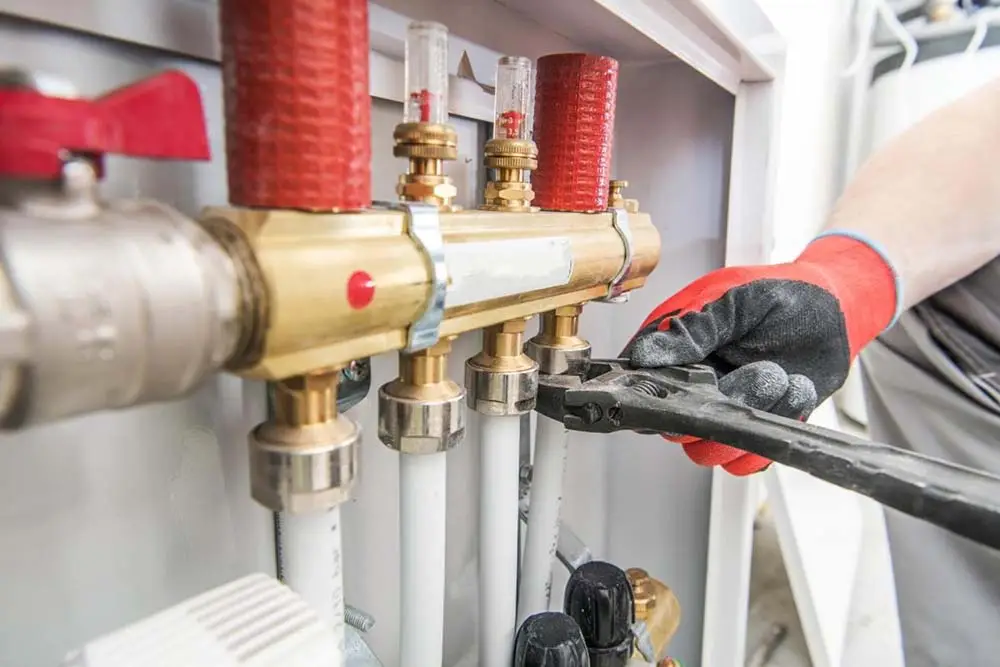
In many of Williamsburg’s loft conversions and older residential buildings, the plumbing is essentially a patchwork. A renovation might include brand-new, luxury faucets in the kitchen, but those faucets are often fed by copper pipes from a 1990s update, which are in turn connected to the original, century-old steel or iron risers.
This “Frankenstein” system creates unique water problems that aren’t present in brand-new, ground-up construction:
- Galvanic Corrosion: When different types of metal piping (like copper and iron) are joined together, they can react chemically, especially when water is moving through them. This speeds up the corrosion process, which can lead to leaks and the release of metal particulates into your water.
- Pressure Instability: Because these buildings were often converted from industrial use, the water systems were originally designed for manufacturing, not for the high-pressure demands of modern residential bathrooms and kitchens. Retrofitting these systems can cause pressure surges that shake old pipes and dislodge sediment.
- Hidden “Dead Legs”: During the conversion process, some pipes were likely capped off rather than removed. These “dead legs” are sections of pipe that are no longer part of the active flow. Water can sit in these pockets for weeks, becoming stagnant and leaching metals from the old pipe materials before eventually mixing back into your active water supply.
Why You Can’t Judge Water Safety by Appearances
In a beautifully renovated Williamsburg loft, your visual environment is pristine. But because lead and other heavy metals are invisible, the aesthetic of your home tells you nothing about the health of your water.
Relying on the “clear water” test is a mistake. Many contaminants that result from the degradation of old pipes—such as lead or copper—are odorless, colorless, and tasteless. They only become noticeable when they reach high enough concentrations to cause staining, which is already a sign that your plumbing is significantly degraded.
Proactive Management for Modern Living
You don’t need to live in fear of your plumbing, but you do need to be informed. Because of the sheer variety of Brooklyn property types in Williamsburg, a generalized water safety strategy won’t work. You need data specific to your building.
- Professional Diagnostic Testing: Unlike simple store-bought strips, professional water testing services can identify exactly which metals are present, allowing you to trace the source of the issue back to your building’s specific configuration.
- Targeted Filtration: If your test results show a specific contaminant, you can invest in a targeted filtration system—such as a reverse osmosis unit or a specialized carbon filter—rather than wasting money on a system that doesn’t actually address your home’s unique chemical profile.
- Building-Wide Awareness: If you live in a condo or rental, sharing your concerns with management is easier when you have a certified lab report in hand. It moves the conversation from “I think there might be an issue” to “I have documented evidence that requires attention.”
Securing Your Peace of Mind
Williamsburg is defined by its ability to blend the old with the new. Your home’s water safety should be part of that balance. Whether you are in a classic tenement-style apartment or a luxury loft, your health is the most important factor in your renovation.
If you have questions about the logistics of testing or are curious about how your building’s age might be impacting your water quality, check out our FAQ page. When you’re ready to get the facts, contact our team. We provide the clarity you need to navigate the hidden complexities of your home’s plumbing so you can focus on enjoying your space.
Do you know if your building underwent a full plumbing replacement during its conversion, or is it still using the original riser system?